The Power of Rose in Mature Skincare
Rose may be one of the most recognizable ingredients in beauty.
It’s also one of the most underestimated.
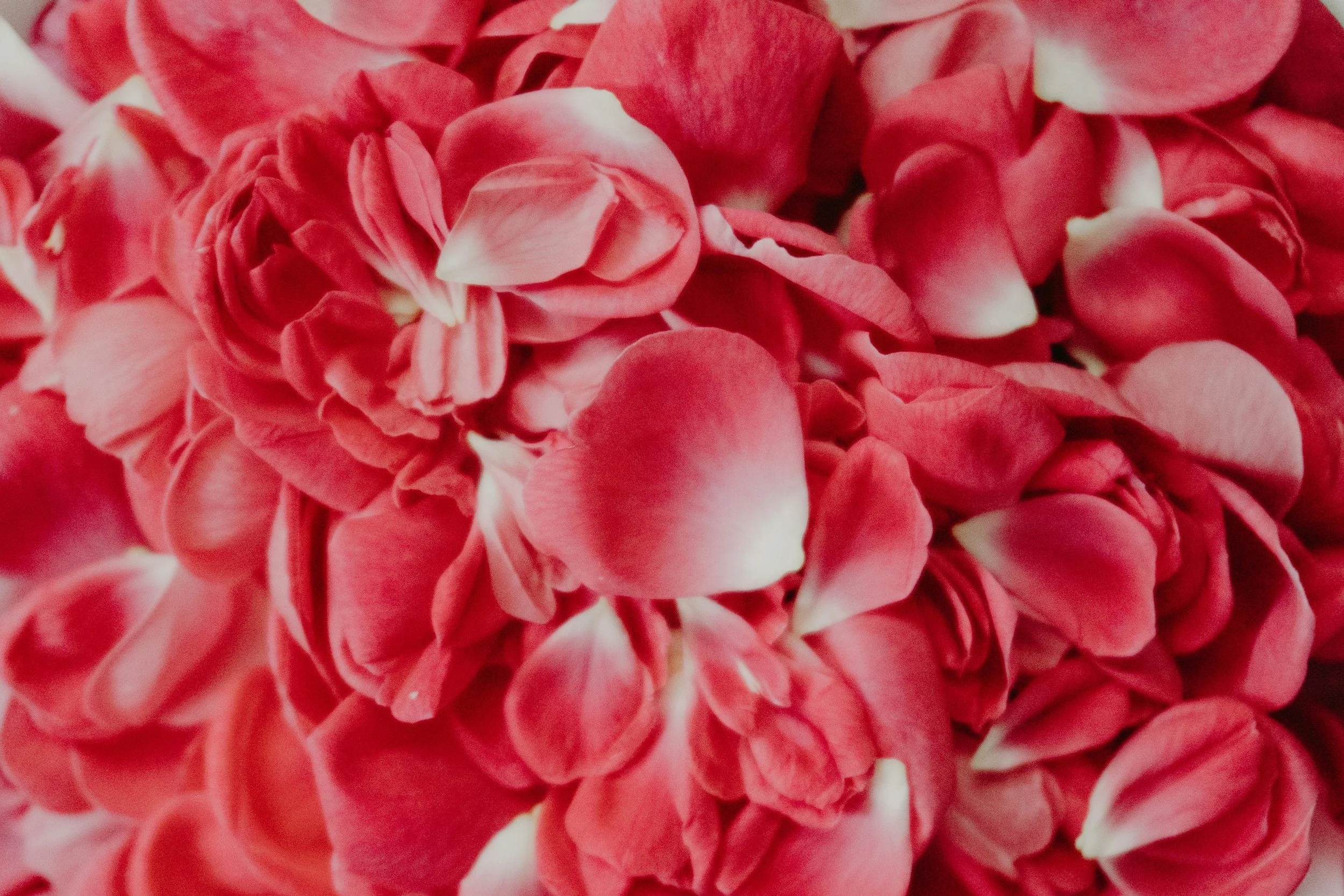
Its unmistakable scent and centuries of symbolism can make it easy to think of rose as ornamental—a beautiful addition chosen for romance, ritual, or fragrance.
But rose has never been merely decorative.
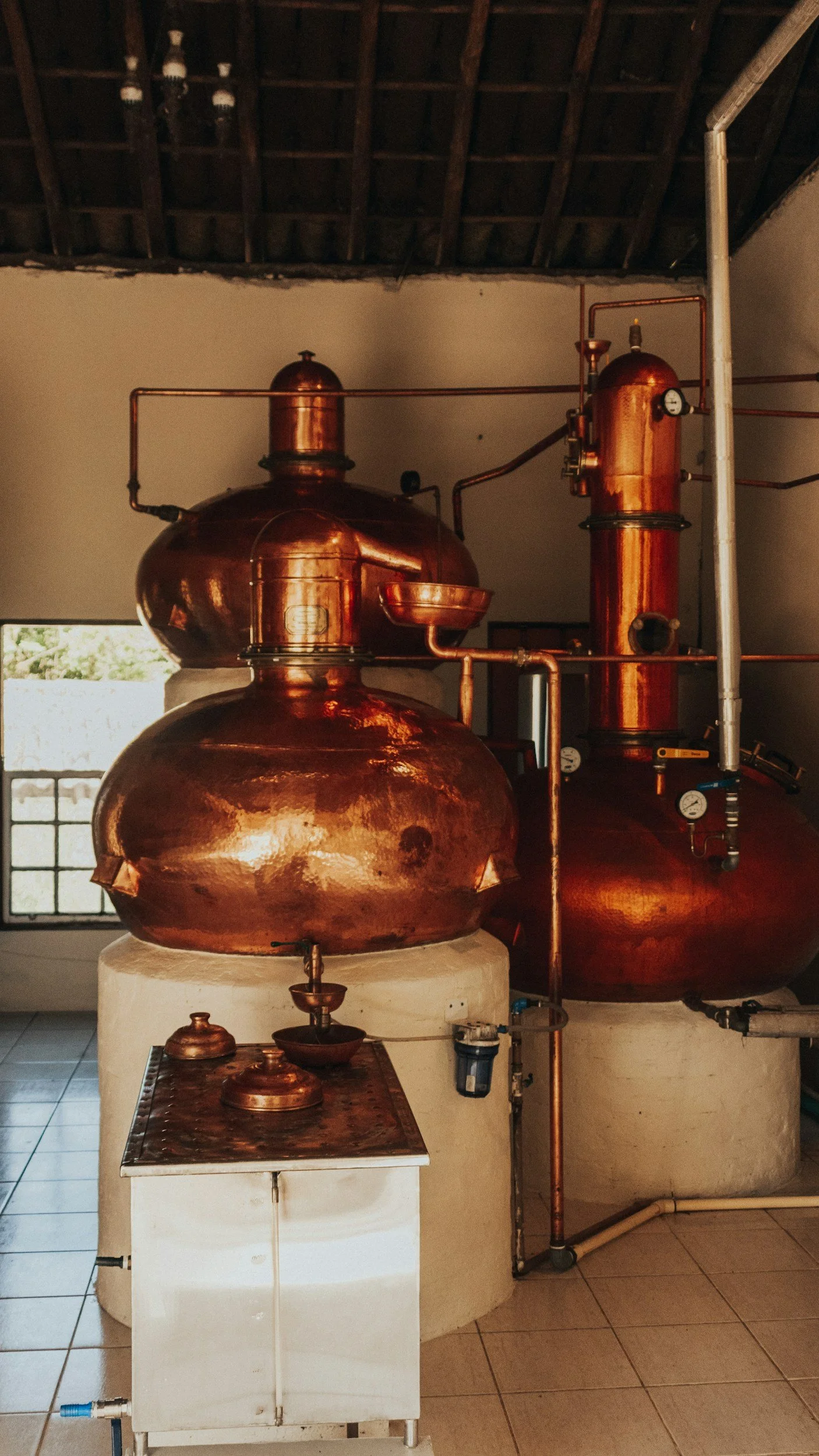
Across Persian, Middle Eastern, South Asian, North African, and European traditions, rose petals, rose hydrosol, and rose oil have been used in food, medicine, bathing, ceremony, perfume, and skincare. Persian and Arab distillers refined the production of rose hydrosol and rose oil during the medieval Islamic period, allowing their use to spread widely across cultures and continents.[1][2]
Long before its individual compounds could be identified, rose was valued for its ability to cool, soothe, tone, refresh, and restore.
Modern research hasn’t discovered rose’s value so much as helped us understand why generations of people recognized it in the first place.
Why Rose Works So Well for Mature Skin
Mature skin isn’t one skin type.
It can be dry or oily, sensitive or resilient, smooth or textured—and those characteristics can continue to change with hormones, health, seasons, climate, and time.
Still, there are common shifts. Skin gradually produces fewer of the oils and lipids that help keep it soft and retain moisture. It may become drier, thinner, less elastic, or more easily irritated. Sun exposure and oxidative stress accumulated over time can also become more visible as dullness, uneven tone, fine lines, and slower recovery.[3]
Rose meets many of these changes with a surprisingly wide range of benefits.
Cooling + Calming
Rose has long been understood as a cooling plant. In traditional systems of care, rose hydrosol and other rose preparations have been used to comfort heat, redness, tenderness, and irritation.
This is especially useful when mature skin begins responding differently to weather, stress, exfoliation, or products it once tolerated without a second thought.
Rose petals contain flavonoids, polyphenols, and aromatic compounds associated with antioxidant and anti-inflammatory activity. Contemporary research on rose petal extract has shown its ability to reduce inflammatory activity in skin exposed to UV-related stress.[4]
On the skin, that translates to rose’s enduring reputation for helping a hot, flushed, or unsettled complexion look and feel calmer.
Antioxidant + Protective
Everyday exposure to sunlight, pollution, smoke, and other environmental stressors generates free radicals that can damage the structures responsible for the skin’s strength, elasticity, and even tone.
Antioxidants help interrupt that process.
Rose contains a complex collection of antioxidant plant compounds rather than one isolated star ingredient. Together, these compounds help support the skin against oxidative stress and the visible dullness, unevenness, and loss of resilience that can follow.[4][5]
That makes rose more than a response to irritation. It is also valuable in the steady, long-term care of skin that has lived through years of sun, weather, expression, change, and life.
Hydrating + Smoothing
Rose hydrosol delivers lightweight, water-based hydration along with the complex plant compounds captured during distillation.
This can be particularly welcome when skin feels tight, depleted, or dull but doesn’t need another heavy layer. Used as a mist or blended into a mask, rose hydrosol can help soften the appearance of fine dehydration lines, refine texture, and leave the skin looking smoother and more luminous.
In my own skin, the change has been especially striking. With regular use, I noticed greater smoothness, more refined texture, and a visible softening of lines.
Water helps the outermost surface of the skin become more flexible and reflective. When that surface is better hydrated and smoother, light moves across it more evenly. This is part of why properly hydrated skin looks clearer and more radiant rather than simply shiny.[6]
Rose hydrosol can be misted directly onto clean skin, used to rehydrate throughout the day, or incorporated into a facial mask. It also works beautifully as an early layer beneath serums, creams, or face oils: restoring water first, then allowing the products that follow to help hold it in.
Toning + Refining
Rose has also traditionally been valued as a gentle astringent.
Unlike the harsh, alcohol-heavy toners many of us remember, rose’s toning quality does not have to leave the skin feeling stripped or rigid. It can help the skin feel refreshed and refined while supporting a more balanced-looking complexion.
This makes rose especially interesting for mature combination skin—the often-overlooked skin that needs hydration and softness but can still experience oiliness, congestion, or visibly enlarged pores.
Mature skin does not automatically become dry skin. Rose understands the assignment.
Brightening + Revitalizing
Glow is rarely the work of one dramatic active.
It develops when skin is hydrated, calm, smooth, and well supported against the stressors that leave it looking tired.
Rose contributes to each of those conditions. Its combination of water-based hydration, antioxidant protection, and visibly calming activity can help revive skin that looks dull, uneven, or depleted.
The result is not artificial brightness or surface shine. It is skin that looks fresher, clearer, and more alive.
The Sensorial Power of Rose
Then, of course, there is the scent.
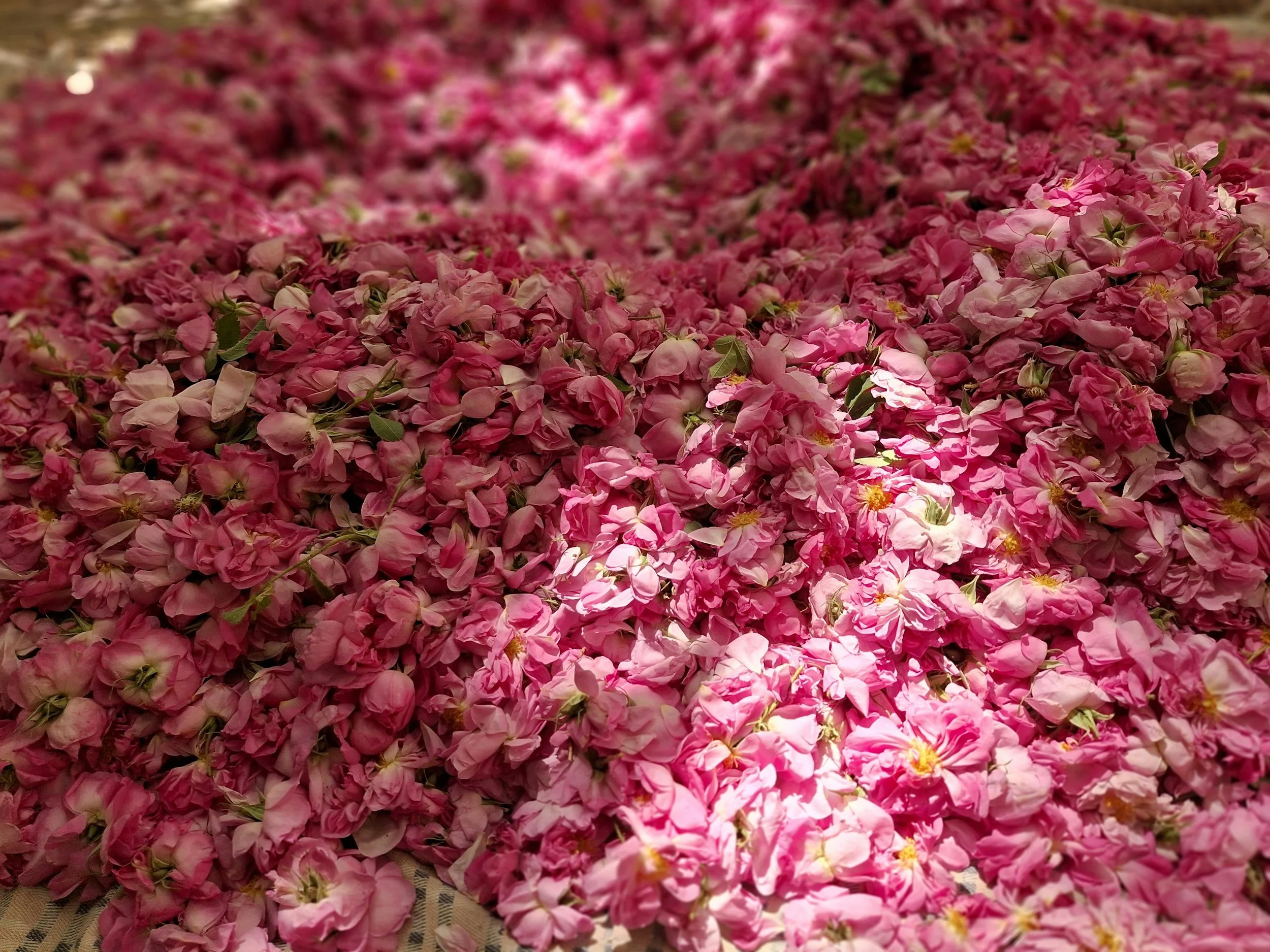
Rose has been used in spiritual practices, bathing rituals, celebrations, mourning, medicine, and perfumery because its effect has never been understood as purely cosmetic. Its aroma can feel expansive and grounding at the same time—familiar, but difficult to ignore.
That experience matters.
Skincare is repeated daily, often for years. The scent, texture, and feeling of a product influence whether that routine becomes another obligation or a moment we genuinely enjoy returning to.
Rose doesn’t ask us to choose between pleasure and performance.
It has always offered both.
More Than a Beautiful Tradition
Rose has endured because it connects so many aspects of care at once.
It cools and comforts. Hydrates and refreshes. Tones without punishment. Supports skin against environmental stress. Revives dullness. Softens the look of a complexion that feels depleted.
And it makes caring for the skin feel like something more than maintenance.
After centuries of use, rose remains exactly what it has always been: beautiful, complex, and profoundly useful.
References
Boskabady MH et al. “Pharmacological Effects of Rosa damascena.” Iranian Journal of Basic Medical Sciences, 2011. Read the review
Mahboubi M. “Rosa damascena as Holy Ancient Herb with Novel Applications.” Journal of Traditional and Complementary Medicine, 2016. Read the review
Hussein RS et al. “Influences on Skin and Intrinsic Aging.” International Journal of Molecular Sciences, 2024. Read the review
Lee M et al. “Skin Anti-inflammatory Activity of Rose Petal Extract (Rosa gallica) Through Reduction of MAPK Signaling Pathway.” Food Science & Nutrition, 2018. Read the study
Wang H et al. “Beneficial Medicinal Effects and Material Applications of Rose.” Heliyon, 2024. Read the review
Rawlings AV et al. “Stratum Corneum Moisturization at the Molecular Level.” Journal of Investigative Dermatology, 2009. View the research