Why Hydration Comes First in a Layered Routine
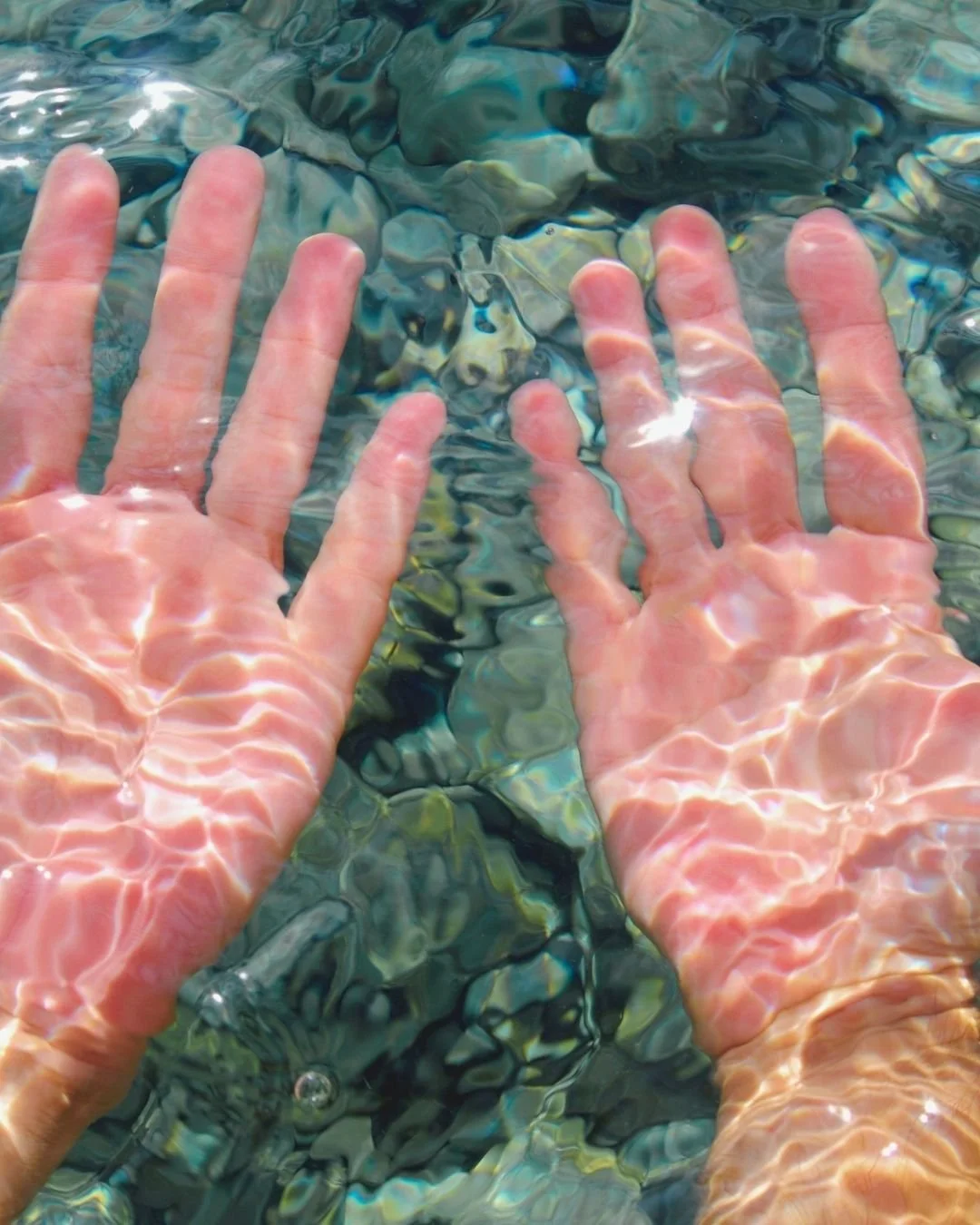
Even in layered routines, hydration often doesn’t have its own place. Most routines move quickly from cleansing to treatment or moisture.
But something important often gets skipped.
Hydration.
Not oil.
Not cream.
Water-based hydration.
After cleansing, skin is temporarily more receptive. Water content in the outer layer drops, and the surface becomes more permeable. This is when lightweight hydration can be absorbed most effectively — before oils or creams begin forming a protective layer.
Starting with hydration restores water first.
Then oils and emulsions help hold and support it.
That shift changes how the entire routine feels on the skin.
When hydration comes first:
skin looks smoother and more even
fine lines appear softer
redness is less noticeable
subsequent layers absorb more evenly
lighter products feel sufficient
Water affects the structure of the outermost layer. When hydration is present, the surface becomes more flexible and reflective. Texture looks softer. Glow comes from within the skin rather than sitting on top of it.
Without this step, oils and creams still soften the skin — but they’re working on a surface that hasn’t been rehydrated first.
Why This Step Gets Missed
Hydration is often built into creams, gels, or serums rather than used on its own.
These formulas contain water, but it arrives bound within lipids and emulsifiers. As a result, hydration is delivered more slowly while a surface film begins forming at the same time.
Applied first, lightweight hydration reaches the skin before that film develops. Oils and creams can then support hydration instead of compensating for its absence.
This is why routines often feel lighter — even when using the same products.
What This Changes
Starting with hydration shifts the role of the rest of the routine.
Oils become more about balance than shine.
Creams feel lighter.
Actives distribute more evenly.
Skin looks smoother with less product.
Hydration in the outer layer also improves light reflection, which softens the look of fine lines caused by surface dehydration and enhances natural luminosity.
Glow becomes more consistent — not from oil alone, but from water within the skin.

Why Hydrosols and Botanical Infusions Work Especially Well
Lightweight plant waters provide hydration while also supporting the skin in complementary ways.
Chamomile helps reduce visible redness.
Green tea provides antioxidant support and calms reactive skin.
Helichrysum (Immortelle) helps improve tone and enhance natural radiance.
Aloe delivers flexible, lightweight hydration.
These types of hydration layers soften the surface and allow the rest of the routine to layer more evenly.
A Simple Shift in Order
Hydration-first layering doesn’t change the routine itself — just the sequence.
Cleanse.
Hydrate.
Then oil or cream.
This small adjustment restores water before sealing it in. Texture appears smoother. Tone looks more even. Glow becomes less dependent on heavier layers.
Start with hydration.
Skin responds differently.
If your routine has been feeling heavier than it should, try adding hydration immediately after cleansing — before oils or creams.
It’s a small shift, but it changes how everything that follows feels.
Learn more about Daily Dew Toning Serum →
References
Hydration + stratum corneum flexibility
Fluhr JW et al.
Skin moisturization and occlusion
https://www.ncbi.nlm.nih.gov/books/NBK545171/
Water content improves skin optical properties
Rawlings AV
Stratum corneum hydration & appearance
https://pubmed.ncbi.nlm.nih.gov/19570097/
Hydration improves penetration/distribution
Barry BW
Dermatological Formulations
https://pubmed.ncbi.nlm.nih.gov/10839713/
TEWL + hydration + occlusion relationship
Lodén M
Hydration vs occlusion review
https://pubmed.ncbi.nlm.nih.gov/19450298/
Botanical soothing + anti-inflammatory (green tea, chamomile)
Katiyar SK — Green Tea & skin
https://pubmed.ncbi.nlm.nih.gov/16596782/
Chamomile anti-inflammatory effects
https://pubmed.ncbi.nlm.nih.gov/12587695/
Helichrysum skin benefits review
https://pubmed.ncbi.nlm.nih.gov/26817300/