More Than Water: Understanding Hydrosols, Floral Waters, and Botanical Mists
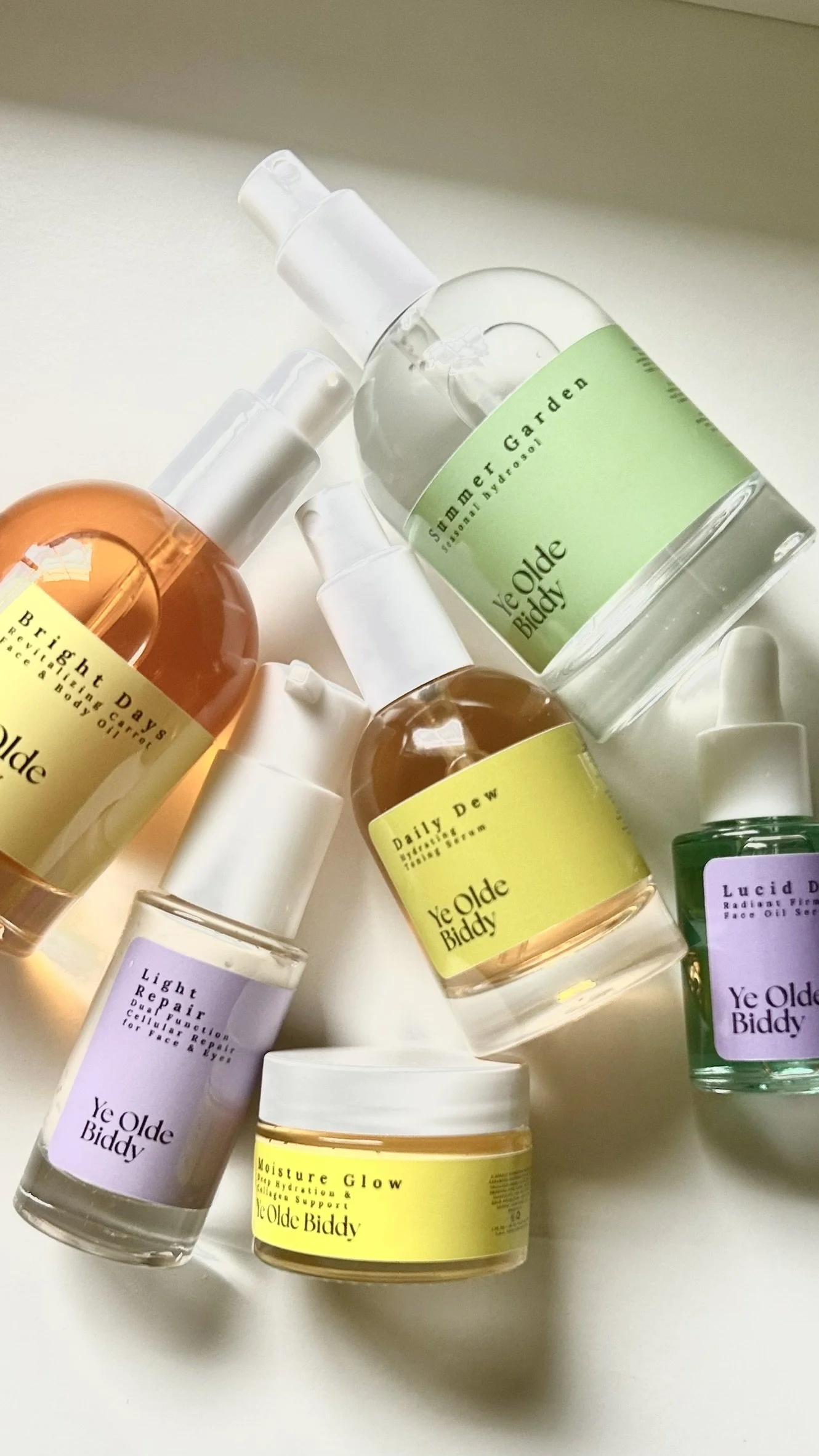
Terms like botanical water, floral water, and facial mist are often used loosely.
Some products contain genuine plant distillates or botanical infusions. Others rely more heavily on fragrance compounds, aromatic blends, or marketing language.
Generally speaking:
Botanical Waters
A broad term for water infused with or distilled from plant material. This can include hydrosols, herbal infusions, aloe water, fruit waters, or other plant-derived waters.
Floral Waters
Typically refers to aromatic waters made from flowers such as rose, neroli, lavender, or chamomile. Some are true steam-distilled hydrosols, while others blend water with essential oils, fragrance compounds, or extracts.
Hydrosols
Steam-distilled plant waters produced during the distillation process. True hydrosols contain water-soluble plant compounds and trace aromatic molecules from the plant itself, giving them a more complex and authentic botanical profile.
Facial Mists
More of a product category than a specific ingredient. Facial mists can contain hydrosols, botanical waters, humectants, minerals, extracts, active ingredients, fragrance compounds, or synthetic additives depending on the formula and intended use.
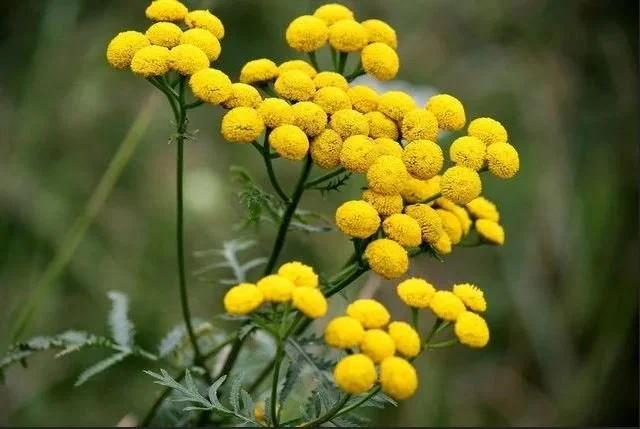
Because all water-based products require careful preservation — and terms like “botanical water,” “floral water,” and “facial mist” are not tightly standardized in cosmetic marketing — ingredient transparency matters.
True hydrosols tend to offer the clearest indication that you are getting an actual steam-distilled plant water rather than fragranced or reconstituted water — especially when the Latin botanical name and distillation method are clearly identified.
Modern skincare often focuses on isolated actives — singular ingredients selected for highly specific functions. Ye Olde Biddy uses advanced actives throughout many of our formulations, but hydrosols remind us that effectiveness does not always have to come from intensity.
Not every product needs a highly corrective active to play an important role in the skin’s overall health, appearance, and balance.
Hydrosols contain complex, water-soluble plant compounds that exist together in delicate relationship rather than as a single dominant “active.”
Gentle and easy to layer into a routine, hydrosols can visibly affect the skin in different ways depending on the plant: cooling, calming, brightening, softening, refining, or helping the skin appear smoother, firmer, and more revitalized.

Why Use Hydrosols?
Hydrosols offer hydration, cooling relief, antioxidant support, and botanical complexity in a form that layers easily into both face and body care.
They are especially useful when skin feels hot, tight, flushed, dehydrated, sun-warmed, or overstimulated from weather, travel, over-cleansing, exfoliation, or active-heavy routines.
Unlike creams or oils, hydrosols deliver water-based hydration that helps ease post-cleansing tightness, reduce the appearance of redness, and replenish dehydrated skin without heaviness.
Different plants bring different benefits.
Cucumber helps cool and de-puff while supporting moisture retention.
Watermelon provides lightweight hydration along with antioxidant compounds like lycopene and vitamin C associated with defending against environmental stress.
Chamomile helps calm visible irritation, while helichrysum (immortelle) is valued for its association with skin renewal and recovery processes.
Eucalyptus brings a clarifying, revitalizing quality that helps skin feel awakened and reset.
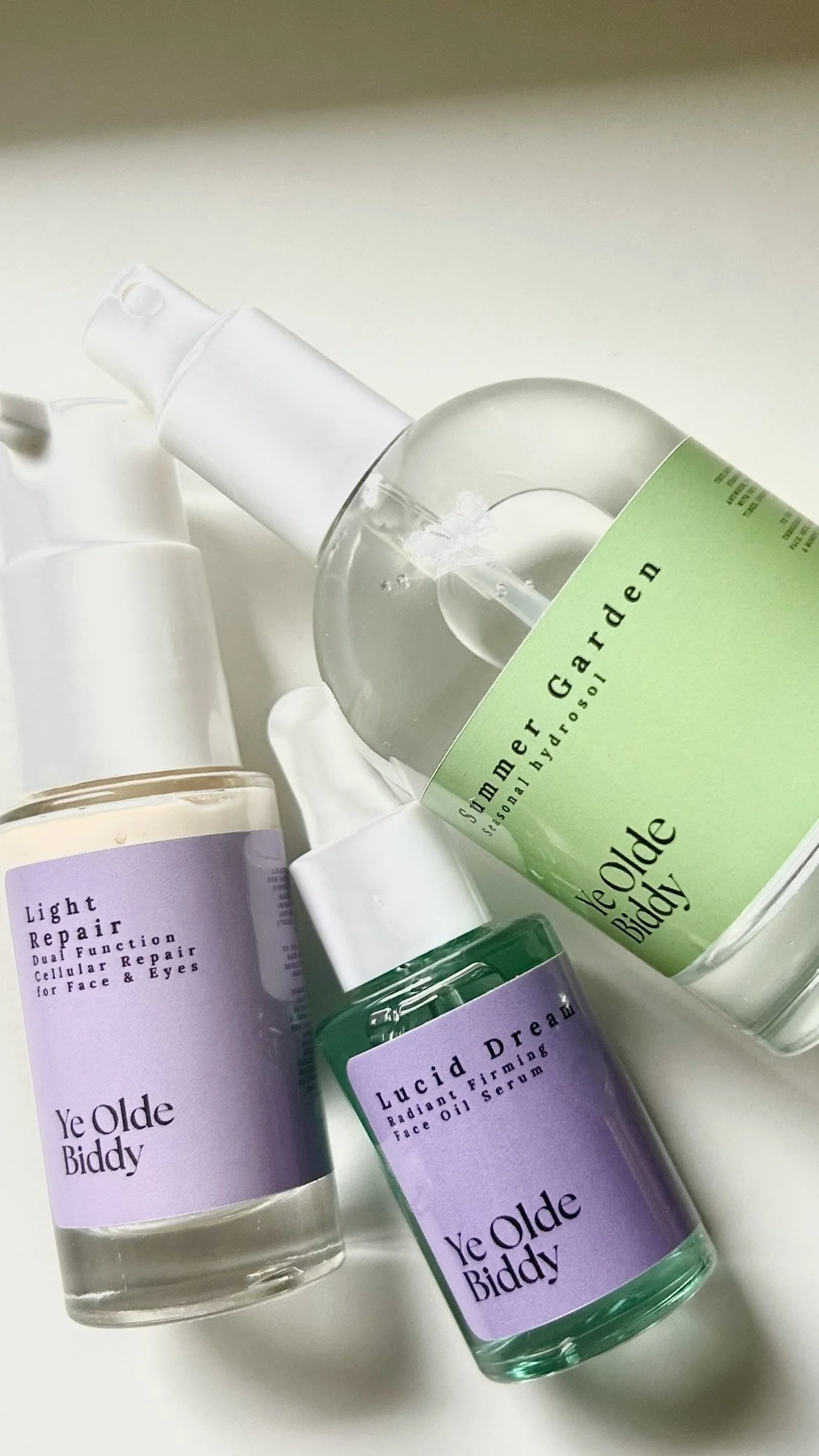
Unlike essential oils, hydrosols are water-based and far less concentrated, giving them a softer relationship with the skin while still carrying trace aromatic compounds and water-soluble plant constituents.
Used throughout the day, after sun exposure, post-workout, during travel, or layered into an existing routine, hydrosols remind us that effective skincare does not always have to feel strong, corrective, or intense.
In many ways, hydrosols sit quietly in the background of skincare — more gentle than serums, lighter than creams, less dramatic than acids or oils.
But used consistently and intentionally, they can change the entire feel of a routine and the way skin responds to it.
References
Hydrosols / hydrolats + steam distillation
Catty S.
Hydrosols: The Next Aromatherapy
Healing Arts Press, 2001
Helichrysum hydrolate + tissue regeneration / fibroblast activity
Serra D et al.
Hydrolat of Helichrysum italicum promotes tissue regeneration during wound healing
https://iris.unica.it/handle/11584/389770
Helichrysum + collagen production / wound repair
Serra D et al.
Effect of Helichrysum italicum in promoting collagen production during tissue repair
https://pubmed.ncbi.nlm.nih.gov/38731954/
Watermelon antioxidants + lycopene / oxidative stress
Story EN et al.
An update on the health effects of tomato lycopene
https://pubmed.ncbi.nlm.nih.gov/20483674/
Vitamin C + collagen synthesis
Pullar JM et al.
The Roles of Vitamin C in Skin Health
https://www.ncbi.nlm.nih.gov/pmc/articles/PMC5579659/
Chamomile anti-inflammatory effects
Srivastava JK et al.
Chamomile: A herbal medicine of the past with bright future
https://pubmed.ncbi.nlm.nih.gov/12587695/
Skin hydration + barrier function
Rawlings AV
Stratum corneum hydration & appearance
https://pubmed.ncbi.nlm.nih.gov/19570097/
Hydration + skin flexibility
Fluhr JW et al.
Skin moisturization and occlusion
https://www.ncbi.nlm.nih.gov/books/NBK545171/
Botanical antioxidants + environmental stress
Katiyar SK
Green Tea and Skin
https://pubmed.ncbi.nlm.nih.gov/16596782/